Industrial evaporators, crystallizers and pressure vessels cecvessels@gmail.com 86-15217192090
Get a Quote

MVR Evaporators

Mechanical Vapor Recompression evaporators: forced circulation, falling film and skid-mounted configurations.

PRODUCT OVERVIEW

MVR Evaporators

MVR (Mechanical Vapor Recompression) evaporators are used for material evaporation, concentration and crystallization. The secondary steam generated during evaporation is fed into a steam compressor; the high-speed impeller converts electrical energy into thermal energy, raising the temperature and enthalpy of the vapor. The pressurized, heated steam is conditioned into saturated heating steam and returned to the heating chamber, recycling waste heat and reducing the need for continuous external steam input.

Mechanical Vapor Recompression evaporators recompress secondary vapor with a mechanical compressor and reuse it as heating steam. Published configurations include forced circulation with dual heating chambers, falling film, and vertical / horizontal skid-mounted units.

MVR Evaporators Inquiry
MVR Evaporators — Center Enamel industrial evaporation equipment

PRODUCT CLASSIFICATION

Published Equipment Types

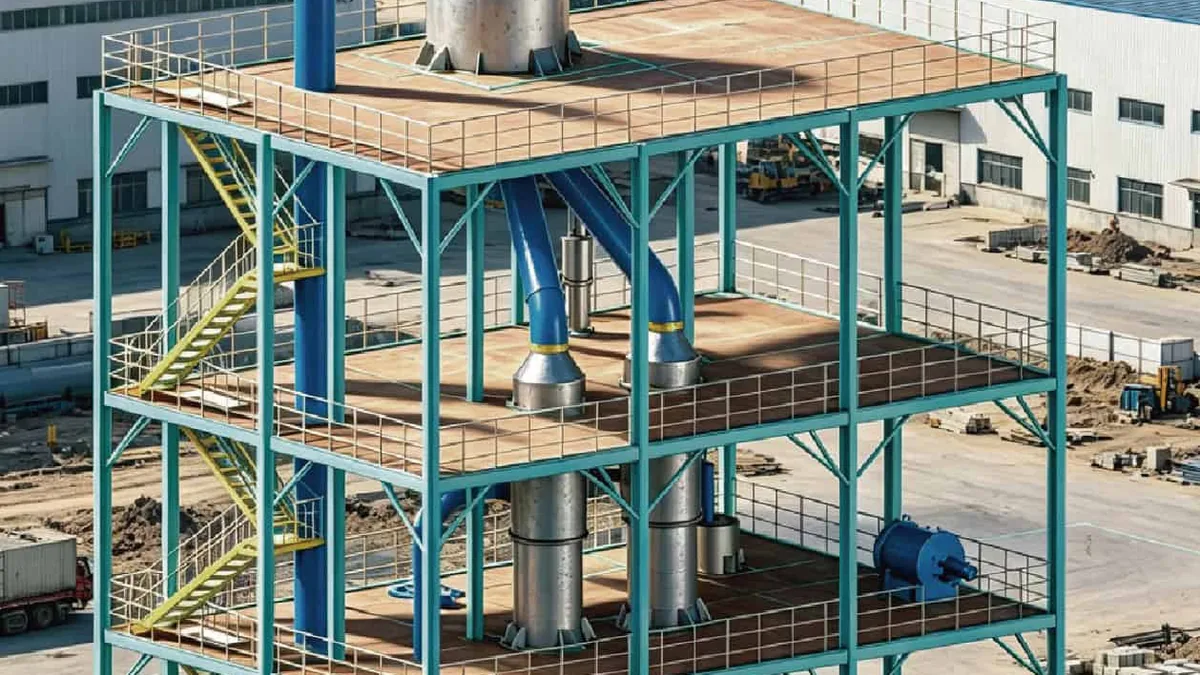
Forced Circulation with Dual Heating Chambers — Center Enamel equipment

Forced Circulation with Dual Heating Chambers

A forced-circulation MVR evaporator with dual heating chambers. Particularly suitable for concentrating highly viscous materials and substances prone to crystallization; performs evaporation, concentration, crystallization and industrial wastewater desalination.
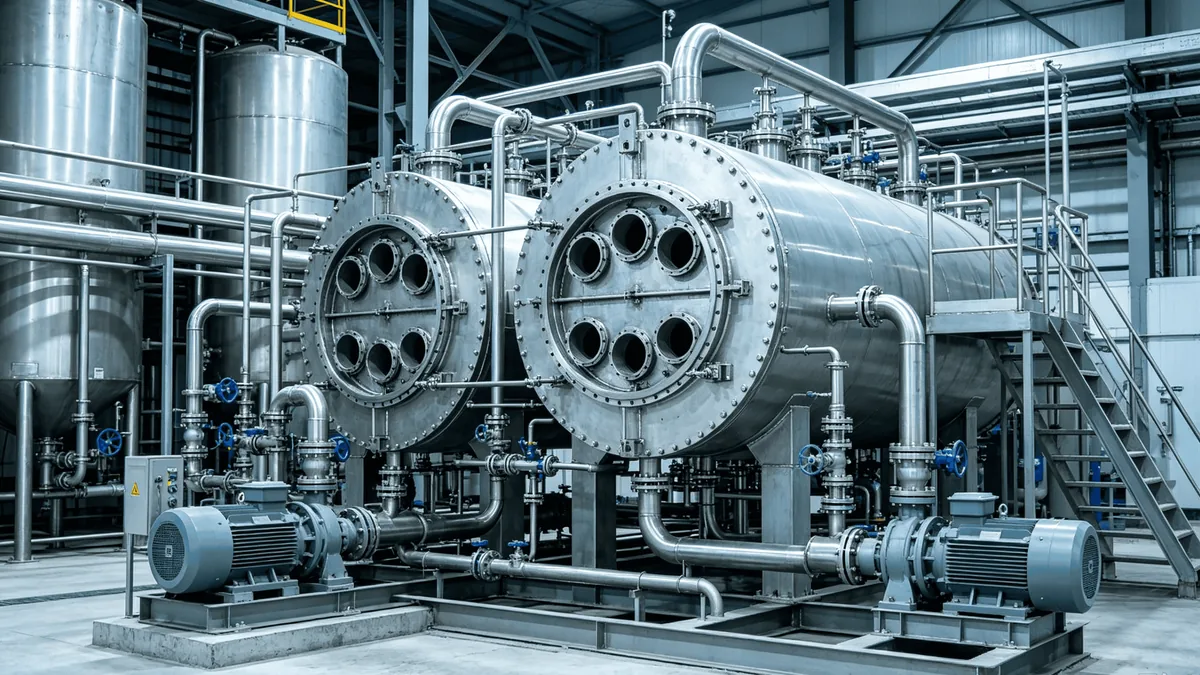
Falling-Film Circulation — Center Enamel equipment

Falling-Film Circulation

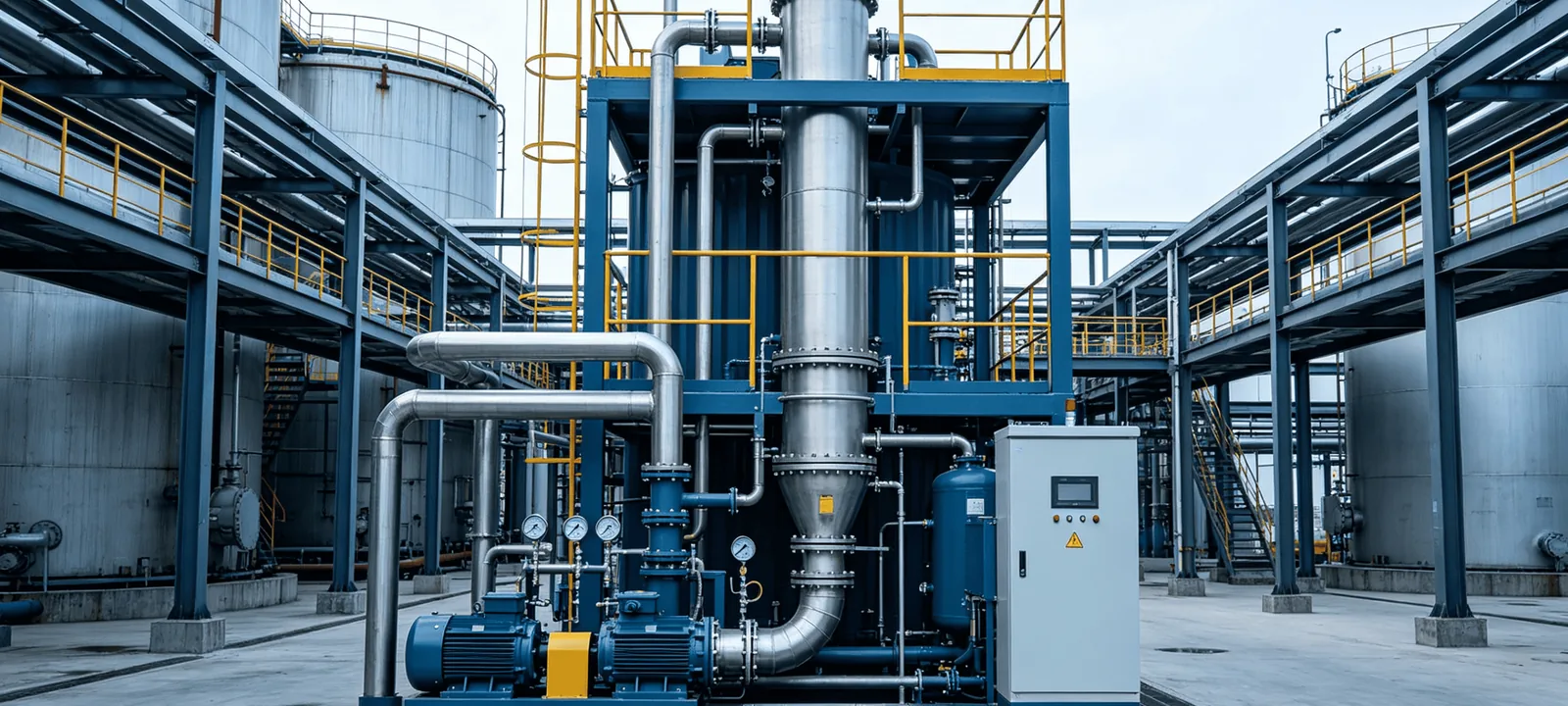
Designed primarily for concentrating non-crystallizing materials such as glucose solutions, corn steep liquor and pharmaceutical / biotech wastewater. Requires minimal live steam makeup.

Vertical Skid-Mounted — Center Enamel equipment

Vertical Skid-Mounted

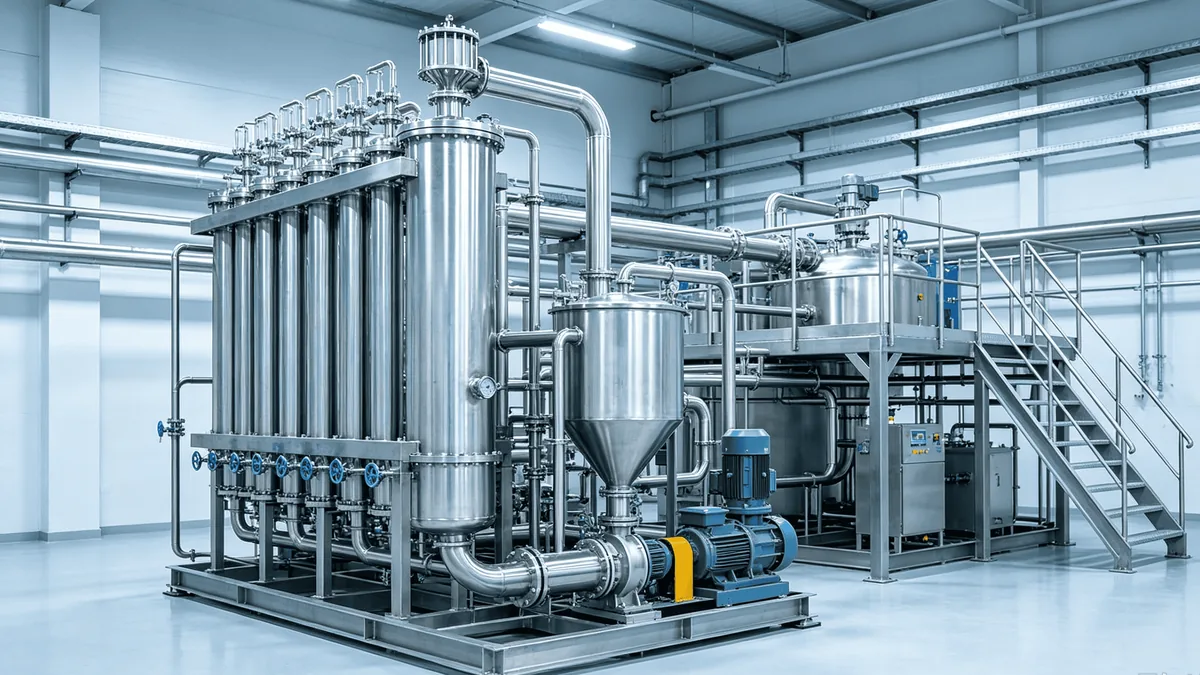
Integrated, factory-assembled plug-and-play unit that removes the need for complex on-site installation. Suitable for industrial wastewater treatment, evaporation/concentration and crystallization/desalination.

Horizontal Skid-Mounted — Center Enamel equipment

Horizontal Skid-Mounted

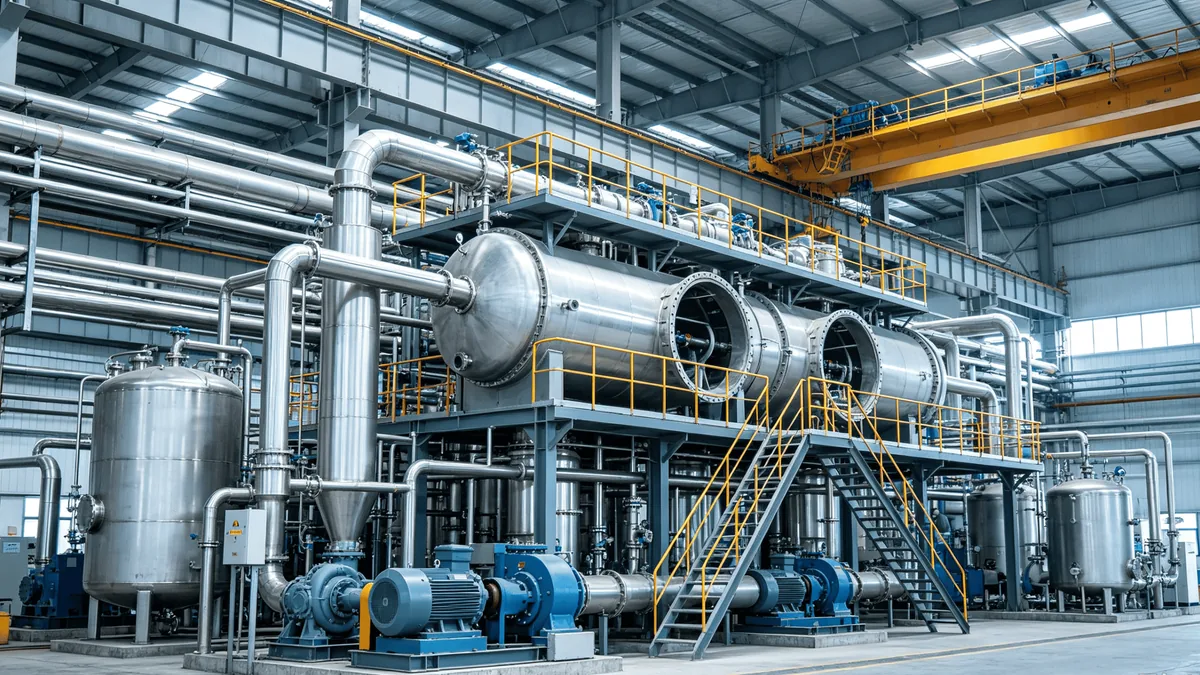
Low-profile, compact-footprint unit for narrow spaces, delivered fully integrated for rapid commissioning. Used in chemicals, food processing, pharmaceuticals and environmental wastewater concentration.

HOW IT WORKS

Working Principle

  1. 01

    Liquid Feeding & Heating

    Feed enters the evaporation unit and heat is transferred through the heating chamber, generating secondary vapor.

  2. 02

    Vapor-Liquid Separation

    Generated vapor is separated from the concentrated liquid before compression.

  3. 03

    Mechanical Compression

    A high-speed compressor impeller converts electrical energy into thermal energy, raising the temperature and enthalpy of the secondary steam.

  4. 04

    Steam Reuse

    Pressurized steam is conditioned into saturated heating steam and returned to the heating chamber, closing the heat loop.

ENERGY EFFICIENCY CONSIDERATIONS

What Determines MVR Performance

  • MVR replaces most continuous external steam input by recompressing and reusing secondary vapor.
  • Electrical energy drives the compressor; the balance between electricity and steam cost is project-specific.
  • Actual energy performance depends on feed boiling point elevation, concentration ratio, heat transfer fouling and compressor efficiency.
  • Energy consumption depends on feed conditions, evaporation duty, utilities and the selected MVR configuration.

EQUIPMENT STRUCTURE

Main Components

Typical system configuration; the final bill of materials is defined by the project specification.

Evaporation vessel / separator

Process space for evaporation and vapor-liquid separation.

Heating chamber

Transfers heat from the compressed saturated steam to the process liquid.

Steam compressor

Core MVR component that raises secondary vapor temperature and enthalpy using electrical energy.

Circulation pump

Maintains continuous liquid movement in forced-circulation configurations.

Condensate & feed systems

Feed preheating, condensate discharge and product collection.

Skid frame & controls

Factory-assembled plug-and-play module with monitoring of operating conditions.

TECHNICAL DATA

Technical Specifications

Published technical data for this equipment family.

MVR Evaporators — specifications
ParameterSpecification
Technology Mechanical Vapor Recompression (MVR)
Published configurations Forced circulation dual heating chambers; falling-film; vertical skid-mounted; horizontal skid-mounted
Typical feed Highly viscous and crystallizing liquors (forced circulation); glucose, corn steep liquor, pharma/biotech wastewater (falling film)
Heating medium Recompressed secondary vapor; minimal live steam makeup (falling-film configuration)
Specific energy consumption Determined by feed and utility conditions

Request a project-specific data sheet

INDUSTRIAL APPLICATIONS

Where This Equipment Is Used

Industry applications and equipment solutions
IndustryApplicationEquipment Solution
Industrial wastewaterWastewater concentration, volume reduction and desalination.Skid-mounted and forced-circulation MVR
Food & fermentationGlucose solutions and corn steep liquor concentration.Falling-film MVR
Pharmaceutical & biotechConcentration of process liquids and wastewater.Falling-film MVR
ChemicalsEvaporation, concentration and crystallization of chemical solutions.Forced-circulation MVR

MANUFACTURING CAPABILITY

Built in a Controlled Workshop

Engineering & Drawing Review

Technical consultation, solution support and drawing review by the engineering team.

Fabrication & Welding

Cutting, forming, assembly and WPS/PQR-controlled welding in a covered fabrication hall.

Inspection & Documentation

NDT, dimensional inspection, pressure testing and complete quality documentation.

View Manufacturing Process

FREQUENTLY ASKED QUESTIONS

MVR Evaporators FAQ

How does an MVR evaporator work?

Secondary vapor from evaporation is compressed by a high-speed impeller, which converts electrical energy into thermal energy and raises the vapor temperature and enthalpy. The pressurized vapor is conditioned into saturated heating steam and returned to the heating chamber, so the latent heat is reused.

What is the difference between MVR and TVR?

MVR uses a mechanical compressor driven by electrical energy to recompress secondary vapor. TVR uses a steam ejector powered by live steam at 0.5 MPa or higher to extract and repressurize secondary steam. They are different vapor recompression technologies with different driving energy.

Which materials suit a falling-film MVR evaporator?

Non-crystallizing materials such as glucose solutions, corn steep liquor and pharmaceutical or biotech wastewater. Highly viscous or crystallizing liquors are better matched to forced-circulation MVR configurations.

Does MVR eliminate live steam completely?

Not necessarily. The falling-film configuration requires minimal live steam makeup; startup and process conditions can still require live steam depending on the application.

What are the advantages and limitations of MVR?

Advantages include reuse of secondary vapor heat, reduced continuous external steam demand and factory-assembled skid options. Design considerations include electrical power supply, compressor sizing, boiling point elevation and fouling tendency.

REQUEST A QUOTE

Discuss Your MVR Evaporators Requirements

Send your feed data, target capacity, utilities and design code. The inquiry form will be pre-selected for this product.

MVR Evaporators Inquiry Contact Our Team

REQUEST A QUOTE

Send Us Your Requirements

Complete the form and our engineering team will review your technical requirements. Fields marked * are required.

PDF, Word, Excel, JPG or PNG, max 5 MB.

Your details are used only to respond to this inquiry.

LET US ENGINEER YOUR SOLUTION

Tell Us Your Process Requirements

Share your feed composition, target capacity and operating conditions. Our engineering team will review your requirements and respond with a project-specific proposal.