
Industrial evaporators, crystallizers and pressure vessels cecvessels@gmail.com 86-15217192090
Get a Quote

Waste Heat & Scraped Surface Evaporators

Waste heat recovery evaporation and scraped surface evaporation — two distinct technologies.

PRODUCT OVERVIEW

Waste Heat & Scraped Surface Evaporators

This product family covers two distinct technologies. Waste heat evaporators recover residual heat from an upstream process (waste steam or exhaust gas) as the heating source. Scraped surface evaporators use rotating scrapers to form a thin film on the heated wall for high-viscosity, scale-prone and heat-sensitive materials. They are not the same equipment principle.

Two distinct technologies: waste heat evaporators recover waste steam or exhaust gas heat in multi-effect falling-film systems, while scraped surface evaporators use rotating scrapers to form a thin film for viscous, scale-prone and heat-sensitive materials.

Waste Heat & Scraped Surface Evaporators Inquiry
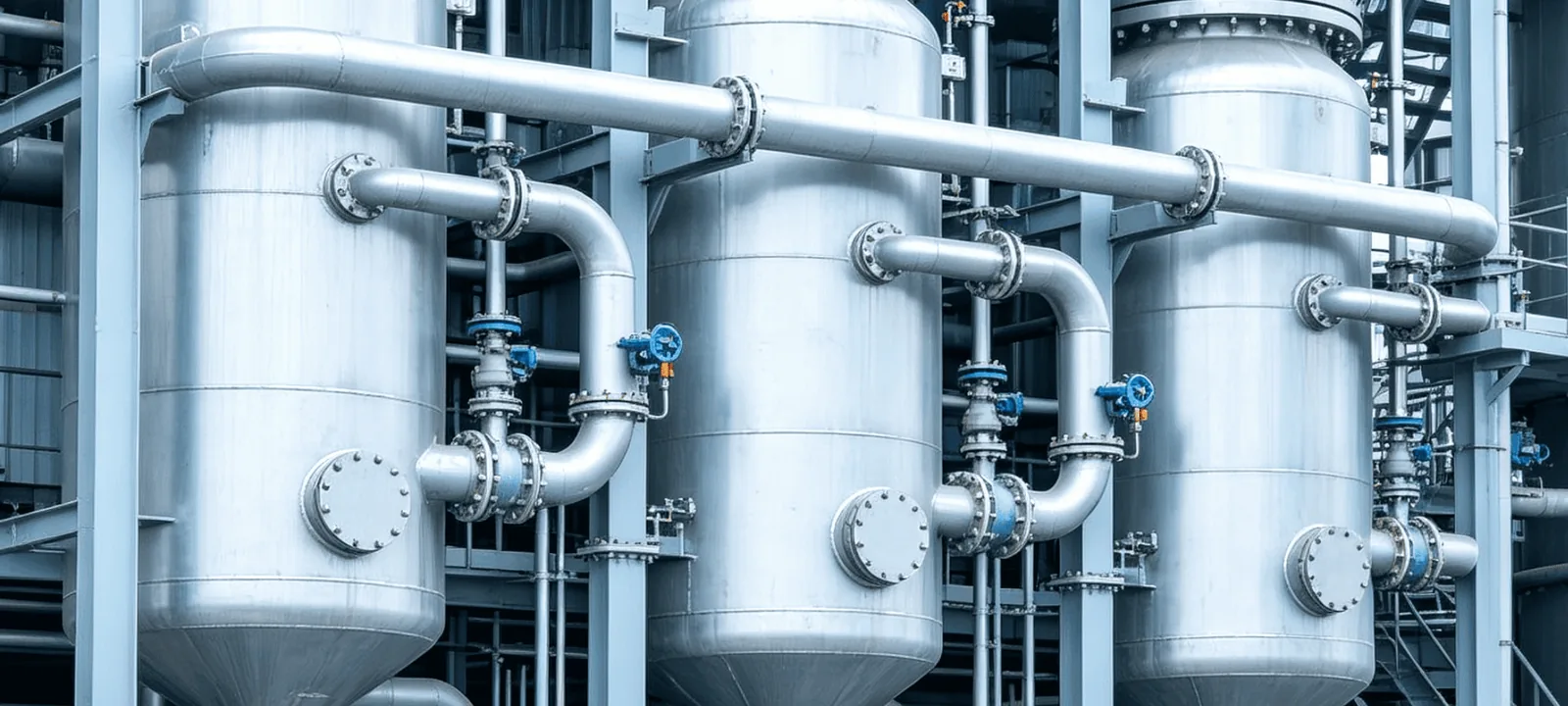
Waste Heat & Scraped Surface Evaporators — Center Enamel industrial evaporation equipment

PRODUCT CLASSIFICATION

Waste Heat Evaporator Configurations

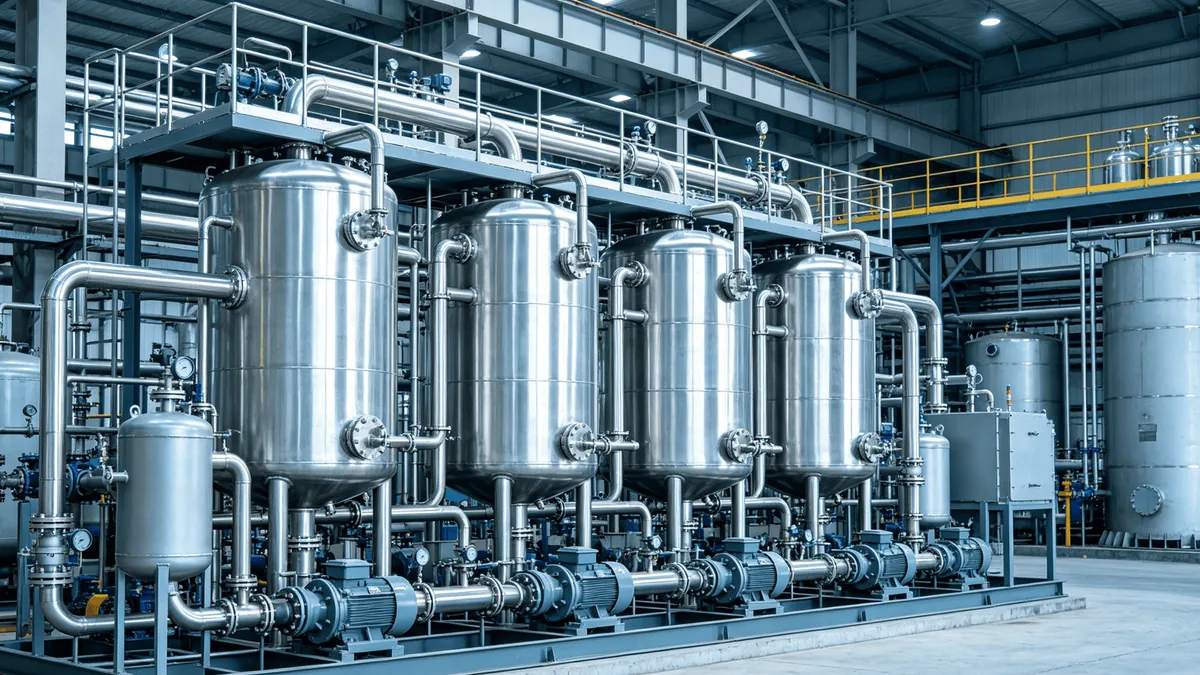
Three-Effect Falling Film Circulation — Center Enamel equipment

Three-Effect Falling Film Circulation

Recovers waste steam from starch drying as a heat source, converting residual heat into effective thermal energy. Specializes in evaporating and concentrating corn germ and sugar solutions; uses waste heat on-site to reduce cost and consumption in the starch industry chain.
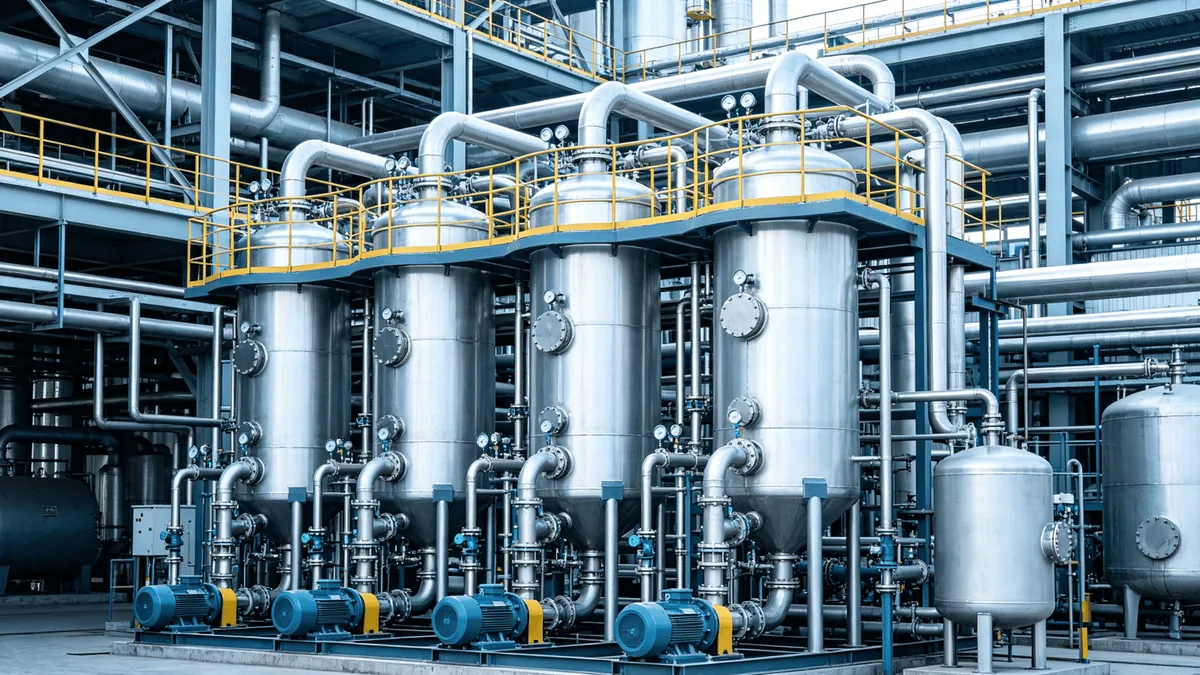
Four-Effect Falling Film — Center Enamel equipment

Four-Effect Falling Film

Recovers exhaust gas from the front-end process, generating secondary steam through flash evaporation for cyclic heating. Designed for evaporation and concentration of corn mash and glucose feedstock solutions.

HOW IT WORKS

Waste Heat Recovery Principle

  1. 01

    Residual Heat Source

    Waste steam from starch drying, or exhaust gas from a front-end process, is identified as the available heat source.

  2. 02

    Heat Recovery / Flash Steam

    Waste steam is used directly; exhaust gas generates secondary steam through flash evaporation for cyclic heating.

  3. 03

    Multi-Effect Concentration

    Three- or four-effect falling-film stages use the recovered heat to concentrate corn germ, sugar, corn mash or glucose solutions.

  4. 04

    On-Site Energy Utilization

    Using local waste heat reduces fresh steam consumption and production cost.

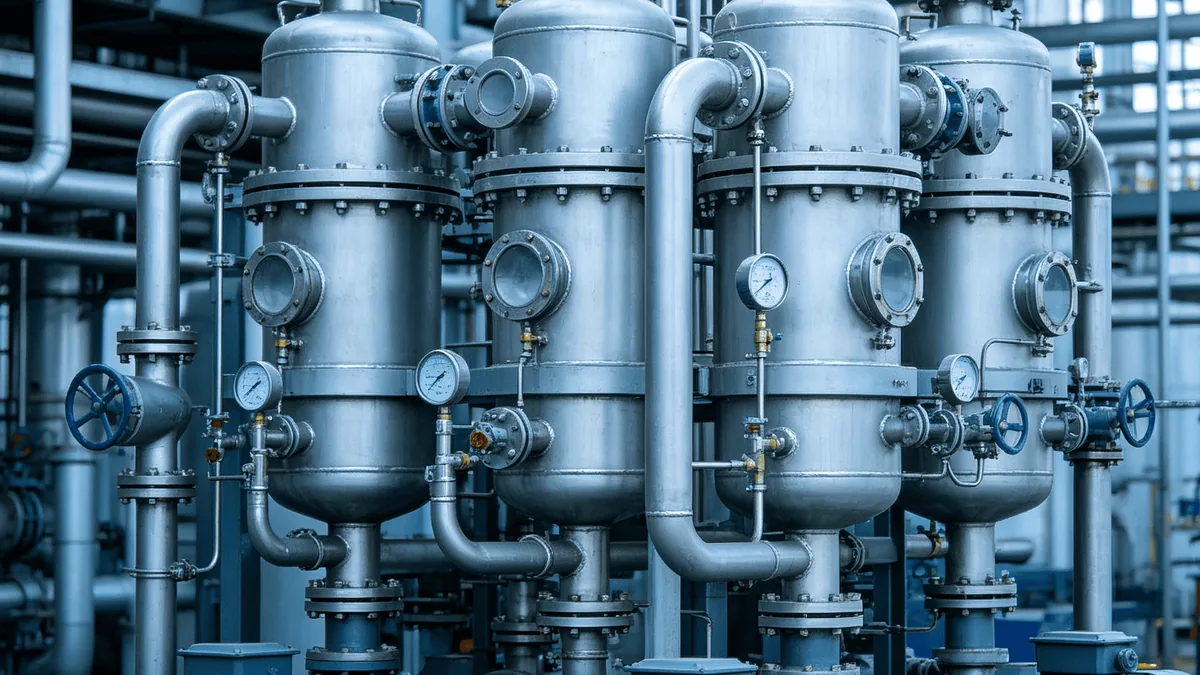
Scraped surface evaporator equipment

SEPARATE TECHNOLOGY

Scraped Surface Evaporators

The scraped surface evaporator relies on rotating scrapers to force the material into a film, ensuring uniform heating along the cylinder wall for efficient evaporation, high heat transfer efficiency and rapid evaporation rates. It is suitable for high-viscosity, scale-prone and heat-sensitive materials, with minimal wall adhesion and caking. The compact structure ensures stable operation and the sealed process delivers clean, environmentally friendly performance.

Waste heat evaporation describes the HEAT SOURCE; scraped surface evaporation describes the HEAT TRANSFER MECHANISM. They are not the same equipment principle.

HOW IT WORKS

Scraped Surface Working Principle

  1. 01

    Feed Distribution

    Viscous or heat-sensitive feed enters the heated cylinder.

  2. 02

    Film Formation

    Rotating scrapers force the material into a thin film along the cylinder wall.

  3. 03

    Uniform Heat Transfer

    Continuous scraping renews the heat-transfer surface, minimizing wall adhesion and caking.

  4. 04

    Rapid Evaporation & Discharge

    Short thermal exposure in a sealed process; concentrated product is discharged.

TECHNICAL COMPARISON

Waste Heat vs Scraped Surface

Waste Heat vs Scraped Surface
DimensionWaste Heat EvaporatorScraped Surface Evaporator
Equipment principleWaste heat recovery with multi-effect falling-film evaporationMechanically scraped thin-film evaporation on a heated wall
Heat sourceWaste steam or exhaust gas from an upstream processExternal heating medium through the cylinder wall
Published configurationThree-effect / four-effect falling filmRotating scraper / scraped surface
Typical materialsCorn germ, sugar solutions, corn mash, glucose feedstockHigh-viscosity, scale-prone and heat-sensitive materials
IndustriesStarch and sugar processing chainsChemicals, food, pharmaceuticals, wastewater concentration

EQUIPMENT STRUCTURE

Main Components

Typical system configuration; the final bill of materials is defined by the project specification.

Falling-film effects (waste heat)

Three or four evaporation stages using recovered heat.

Flash / heat recovery unit (waste heat)

Generates secondary steam from exhaust gas for cyclic heating.

Heated cylinder (scraped surface)

Jacketed wall that transfers heat to the thin material film.

Rotor with scraper blades (scraped surface)

Continuously forms and renews the film; limits wall adhesion and caking.

Sealed vapor separation (scraped surface)

Closed process with vapor discharge and concentrated product outlet.

TECHNICAL DATA

Technical Specifications

Published technical data for this equipment family.

Waste Heat & Scraped Surface Evaporators — specifications
ParameterSpecification
Waste heat configurations Three-effect falling film circulation; four-effect falling film
Waste heat sources Waste steam from starch drying; exhaust gas from front-end process (flash steam)
Waste heat feed materials Corn germ, sugar solutions, corn mash, glucose feedstock solutions
Scraped surface suitable materials High-viscosity, scale-prone and heat-sensitive materials
Scraped surface features Rotating scrapers, uniform wall heating, high heat transfer efficiency, compact sealed structure

Request a project-specific data sheet

INDUSTRIAL APPLICATIONS

Where This Equipment Is Used

Industry applications and equipment solutions
IndustryApplicationEquipment Solution
Starch & sugar processingCorn germ, sugar, corn mash and glucose concentration using on-site waste heat.Waste heat multi-effect
Chemical industryConcentration of viscous or scale-prone chemical materials.Scraped surface
Food & pharmaceuticalHeat-sensitive product concentration with short thermal exposure.Scraped surface
Wastewater concentrationVolume reduction of concentrated process streams.Scraped surface

FREQUENTLY ASKED QUESTIONS

Waste Heat & Scraped Surface Evaporators FAQ

What is a waste heat evaporator?

An evaporation system that uses residual heat from an upstream process as its heating source. The company publishes three-effect falling-film units using waste steam from starch drying and four-effect units using exhaust gas converted to secondary steam by flash evaporation.

What is a scraped surface evaporator?

An evaporator in which rotating scrapers force the material into a thin film against a heated cylinder wall, giving uniform heating, high heat transfer efficiency and minimal wall adhesion for viscous, scale-prone or heat-sensitive materials.

Are waste heat and scraped surface evaporation the same principle?

No. Waste heat evaporation is about the HEAT SOURCE (recovered residual heat used in multi-effect falling-film stages). Scraped surface evaporation is about the HEAT TRANSFER MECHANISM (a mechanically renewed thin film). They are separate product directions.

Which materials suit scraped surface evaporators?

High-viscosity, scale-prone and heat-sensitive materials in chemicals, food, pharmaceuticals and wastewater concentration.

What maintenance considerations apply to scraped surface units?

Scraper blades and the heated wall are wear and fouling surfaces; the sealed compact structure supports stable operation and straightforward maintenance access.

REQUEST A QUOTE

Discuss Your Waste Heat & Scraped Surface Evaporators Requirements

Send your feed data, target capacity, utilities and design code. The inquiry form will be pre-selected for this product.

Waste Heat & Scraped Surface Evaporators Inquiry Contact Our Team

REQUEST A QUOTE

Send Us Your Requirements

Complete the form and our engineering team will review your technical requirements. Fields marked * are required.

PDF, Word, Excel, JPG or PNG, max 5 MB.

Your details are used only to respond to this inquiry.

LET US ENGINEER YOUR SOLUTION

Tell Us Your Process Requirements

Share your feed composition, target capacity and operating conditions. Our engineering team will review your requirements and respond with a project-specific proposal.