Polyester and resin production follows a two-stage route: esterification builds the oligomer, and polycondensation grows it to the final molecular weight. Each stage has its own temperature, mixing, and vapour-removal requirements, and the package that carries both stages decides how consistent the finished product will be.
The Two-Stage Route to Polyester and Resin
In the first stage, purified terephthalic acid or dimethyl terephthalate is mixed with glycol to form a slurry, then heated until the esterification reaction releases water. Removing that water drives the reaction forward and produces a low-molecular-weight oligomer that can be transferred without losing heat. The reactor is stirred throughout so the slurry does not settle and the acid dissolves evenly in the glycol.
In the second stage, the oligomer passes through one or more polycondensation vessels where glycol is removed under vacuum. Temperature, agitation, and vacuum level are balanced so the intrinsic viscosity rises to the target without thermal degradation, and the finishing vessel holds the melt until the discharge criteria are met. A short residence time at the finishing temperature protects the polymer from yellowing.
Reactor Train Configuration
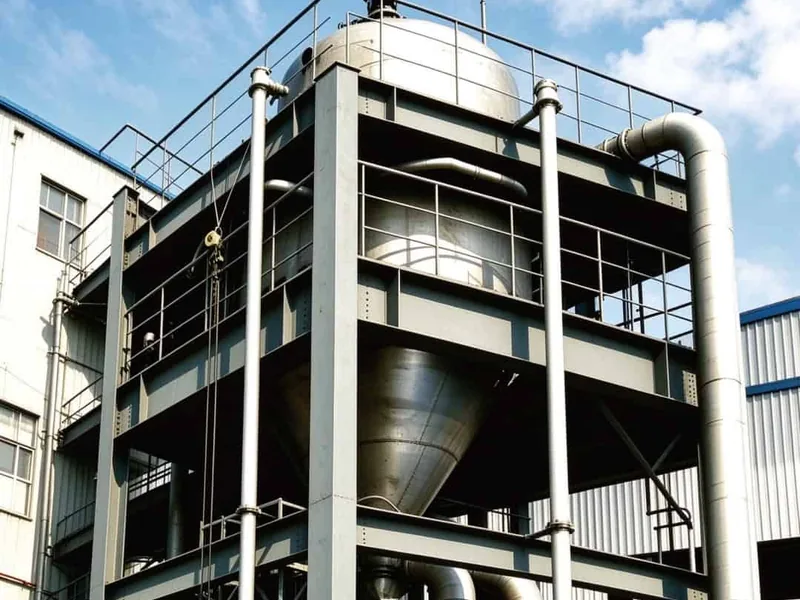
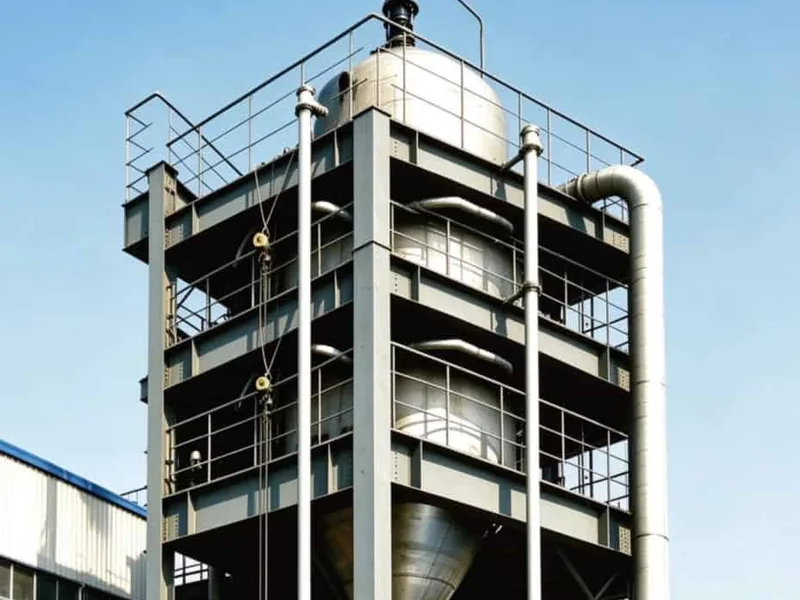
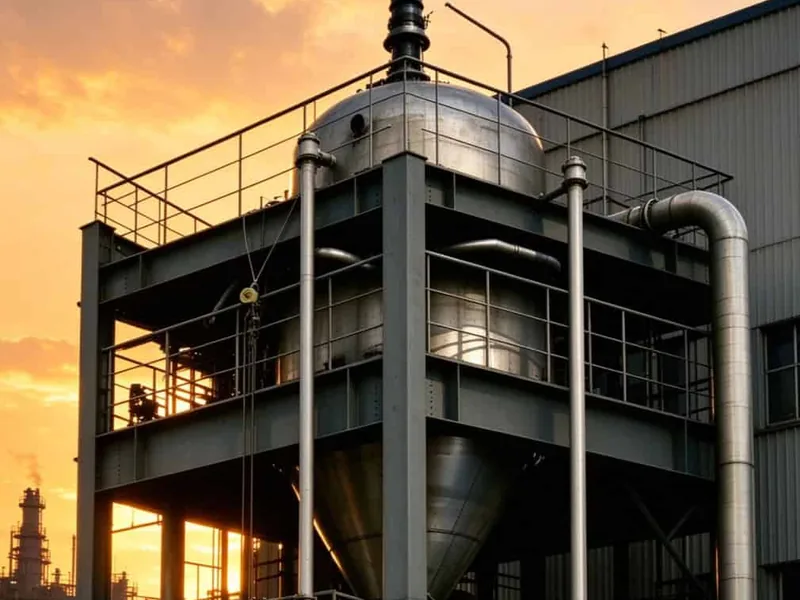
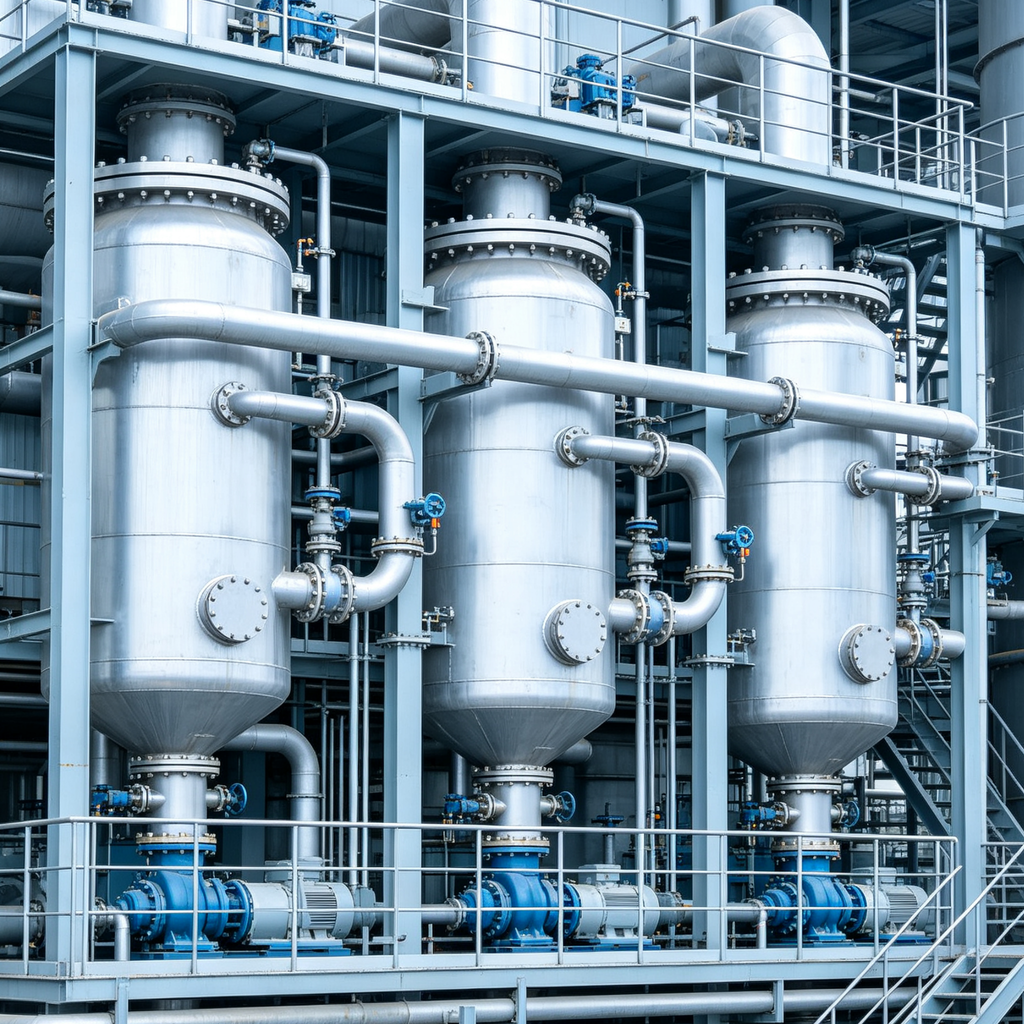
A typical train pairs an esterification reactor with a distillation column and condenser, followed by prepolycondensation and finishing vessels. Anchor or helical impellers handle the rising viscosity, and each vessel has its own heat-transfer circuit, so a change in one stage does not disturb the temperature of the next. Transfer valves and lines are heat-traced so the melt does not cool on its way between vessels.
The column returns glycol to the process while water leaves as vapour. Vacuum systems on the later stages are sized for the glycol load, and transfer lines are arranged to keep the melt moving without hold-up points that would affect colour or cause local overheating. The line between the prepolycondensation and finishing vessels is kept short for the same reason.
Heat Transfer and Temperature Profile
Heat transfer fluid circulates through jackets and internal coils, and the circuit is divided into zones so each vessel holds its own set point. The aim is a uniform melt temperature with a controlled film temperature at the heated surface, which is what keeps colour and viscosity within the grade specification. Each zone has its own control valve, so the heating curve can follow the recipe stage by stage.
Cooling capability is built into the same circuit, because the finishing stage needs a defined cooling ramp before discharge. Temperature records per batch show whether the profile matched the recipe, which is the first check when a resin grade drifts or a batch fails its viscosity target.
Materials and Surface Finish
Product-contact surfaces are normally 316L stainless steel with a low carbon content, polished to limit adhesion and support colour control. Clad plate is used where the mechanical design calls for a carbon steel backing, and the clad side is finished to the same standard as a solid stainless vessel. Surface roughness is measured after polishing and recorded in the quality file.
Internals avoid dead legs and sharp corners, and sampling points are placed where a representative melt sample can be taken. Mechanical seals and valve packings are selected for the operating temperature and the cleaning regime, since the melt finds every gap that the design leaves open. Unused nozzles are blanked with machined plugs rather than left open.
Process Control for Consistent Resin Quality
Agitator torque and drive power give a direct indication of melt viscosity as the polymer grows. Combined with temperature and vacuum records, the control system can end a batch at the intended viscosity instead of relying on a fixed time, which matters when raw material lots vary from delivery to delivery. Catalyst dose is adjusted against the raw material analysis before the batch is released.
Recipe management holds the set points for each grade: raw material ratios, catalyst dose, temperature stages, and finishing criteria. Batch reports put that data in one place for quality release and for comparison across campaigns, and trend screens show whether a grade is drifting over several weeks.
Package Delivery by Center Enamel
Vessels, columns, condensers, and interconnecting pipework are assembled into modules where transport allows, with insulation and instrumentation fitted in the workshop. Factory acceptance testing checks rotation, heating, instrument loops, and sequence logic before the modules are separated for shipment. Module boundaries are chosen so no insulated line has to be cut and re-wrapped on site.
As a China esterification and polycondensation package manufacturer, Center Enamel prepares the full documentation set: drawings, material certificates, weld records, test reports, and operating manuals, together with export packing and site support during erection and the first production runs.
Matching the Package to Your Product Grade
Share the polymer or resin grade, the intended intrinsic viscosity, the raw material route, and the required output per day. Center Enamel then sizes the reactor train, the heat-transfer circuits, and the vacuum capacity to suit that grade and the plot space available, including the space needed for future grade changes.