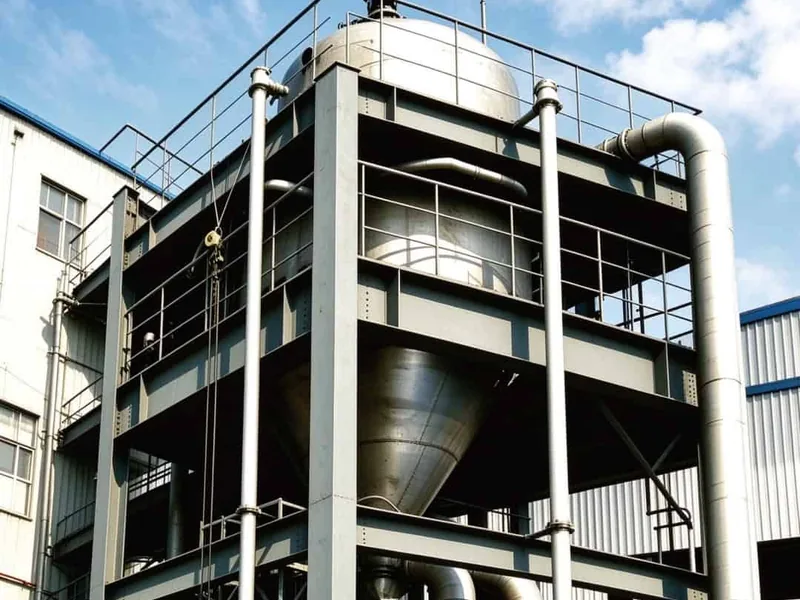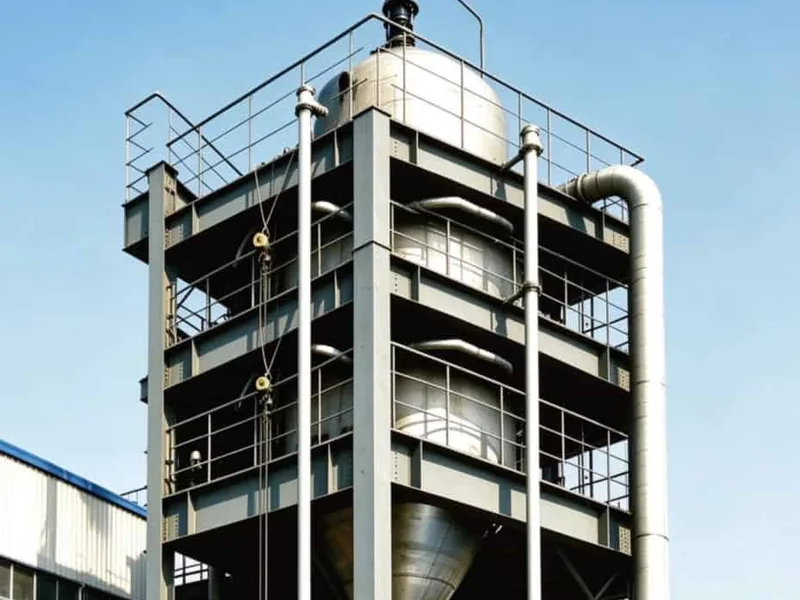
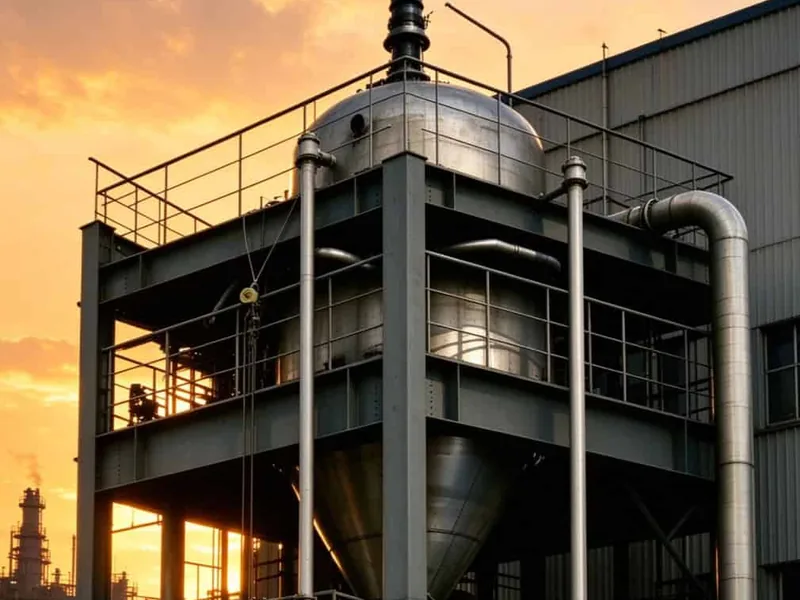
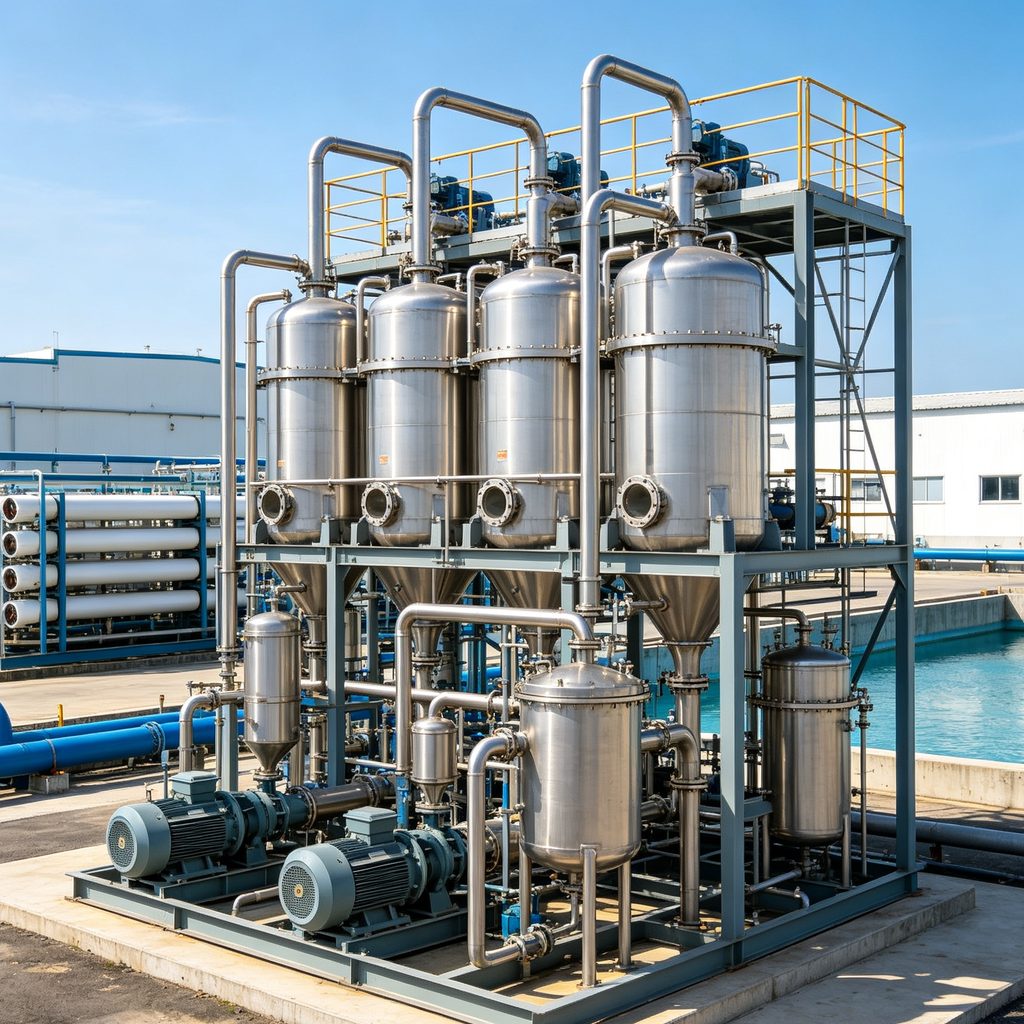
Coastal regions and industrial sites often have abundant seawater and limited freshwater. A Seawater Desalination Evaporator converts the first into the second through thermal separation, producing usable water while managing the concentrated brine separately.
Thermal Desalination Principles
Thermal desalination evaporates seawater and condenses the vapour. Salts stay behind in the brine, and the condensate is low in dissolved solids, suitable for process use or further polishing.
Multiple stages improve efficiency. Vapour from one effect heats the next, so each kilogram of steam produces more distillate. The Seawater Desalination Evaporator is arranged to make the most of this heat reuse.
Multi-Effect Distillation Configuration
Multi-effect distillation places several evaporators in series, each at a lower temperature than the one before. Seawater flows through the effects while vapour transfers heat along the train.
Feed arrangement matters. Forward, backward and parallel feed configurations suit different temperature profiles and scaling behaviours, and the Seawater Desalination Evaporator Manufacturer selects the arrangement that matches the site’s steam supply and seawater conditions.
Materials for Seawater Service
Seawater is corrosive, so materials must be chosen carefully. Aluminium brass, cupronickel, duplex stainless steel and titanium are common for tubing and heat transfer surfaces, with the choice depending on temperature and velocity.
Carbon steel shells with protective coatings or linings handle the external surfaces. A China Seawater Desalination Evaporator Manufacturer documents material selection so the plant can plan inspection and replacement with confidence.
Concentration Limits and Brine Handling
Brine concentration is controlled to avoid deposition on heat transfer surfaces. Feed flow, temperature and the maximum brine density are managed together, and the design leaves margin for seasonal seawater changes.
Brine leaving the plant needs a defined route. Outfall diffusers, evaporation ponds or salt recovery systems can be integrated, and the Seawater Desalination Evaporator is configured so the brine stream meets the project’s environmental conditions.
Energy Recovery and Heat Integration
Energy is the largest operating cost in thermal desalination. Multiple effects reduce steam demand, and thermal or mechanical vapour compression can raise efficiency further where the project allows.
Waste heat from power generation or industrial processes can drive the evaporator. Coupling the Seawater Desalination Evaporator to an existing heat source improves overall plant economics and reduces fuel consumption per cubic metre of water.
Steam supply conditions set the practical number of effects. Hotter steam supports more stages, but the gain has to be balanced against the cost of the heat source and the cooling water available for the final condenser. That balance is reviewed for each project.
Freshwater Quality and Distribution
Distillate from thermal desalination is low in total dissolved solids. It is often blended or re-mineralised before distribution, depending on the intended use and local requirements.
Quality monitoring covers conductivity, pH and turbidity. Instruments on the distillate line confirm the product before it enters storage, and the Seawater Desalination Evaporator can be supplied with sampling points for routine verification.
Applications and Project Scale
Municipal water suppliers use thermal desalination where seawater is the reliable source. Industrial plants in refining, chemicals and power generation use it for boiler feed and process water.
Island communities, mining sites and resorts also rely on compact desalination trains. Capacity ranges from modest units to large multi-effect plants, and the Seawater Desalination Evaporator is sized to the demand profile and available heat.
Operating Experience and Maintenance
Thermal desalination plants run continuously, so maintenance has to be planned around production. Tube inspection, effect cleaning and instrument calibration are scheduled at intervals set by seawater condition and operating temperature.
Access platforms, manways and tube removal space make this work practical. A Seawater Desalination Evaporator designed for serviceability keeps availability high, and spare part planning avoids long outages when components wear.
Quality Checks and Documentation
Before shipment, each effect is inspected against the design. Shell dimensions, tube bundles, nozzle positions and weld quality are verified, and the unit is tested for leaks.
Records cover materials, testing and operating limits. These documents support commissioning and long-term inspection, and they let the China Seawater Desalination Evaporator Manufacturer hand over equipment the plant can maintain with confidence.
Hybrid arrangements combine thermal desalination with membrane processes, using the evaporator for the brine stream or for periods when membrane output falls. The Seawater Desalination Evaporator integrates into such schemes without duplicating intake and outfall infrastructure.
Center Enamel as Your Desalination Partner
Center Enamel begins with a water analysis and a site review. Salinity, temperature, product water target and heat source define the number of effects, materials and layout.
The team supports fabrication, testing and delivery, and advises on commissioning and operating parameters. A Seawater Desalination Evaporator matched to the project gives the plant a durable source of freshwater with predictable running costs.